





Carbide meter
When identifying damp in buildings, architects, surveyors etc may use moisture meters to confirm or obtain a diagnosis. In skilled hands with regular site calibration, moisture meters can be a good starting point.
Carbide meters are one method of measuring moisture content. This technique (sometimes referred to as Speedy Carbide Test after the manufacturer’s name) works by testing a weighed sample of drilled mansory that has been taken from a sample area such as a mortar joint located above the damp proof course. This sample is then placed in a container. A measured amount of calcium carbide powder is placed in a separate portion of the container, and then the container is sealed. The container is shaken and the two substances mix together to trigger a reaction that produces acetylene gas if moisture is present.
The meter will indicate the results of the test. Readings will range from 0 to 5, with a higher number indicating a higher level of moisture.
Carbide meters are likely to give a more accurate measure of moisture content than some other techniques, although they require the removal of a sample - which could be considered by some as destructive. As a result, this method of testing may only be advisable after an electronic meter, or some other method has indicated the presence of moisture.
For more information see: Assessing moisture in porous building materials.
[edit] Related articles on Designing Buildings Wiki
Featured articles
Check out some of the best features and news from Designing Buildings as well as key stories from around the web.

CIOB photography competition is open for entries.
ECA Edmundson apprentice of the year award

Finalists announced.
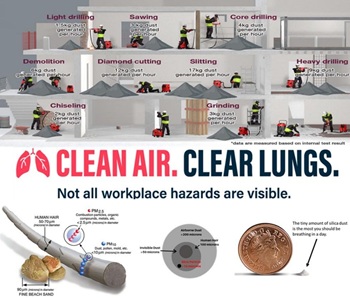
Major new study exposes serious knowledge gaps.
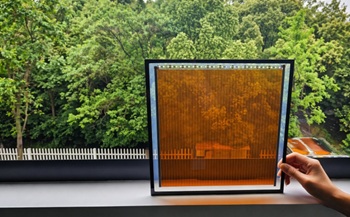
Generating energy from internal light as well as sunshine.

ECA welcomes plans to strengthen subcontractor quality control.

Combining mid-career qualifications with experience broadens career opportunities.

Why being a mentor can help your career.

Channel 4 broadcaster to host 125th anniversary ceremony.
Listed structures on the rail network
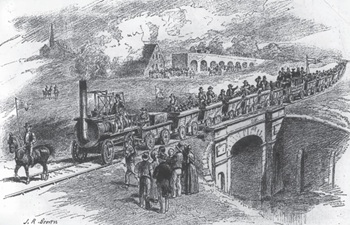
Heritage interests and operational requirements must be balanced.
Historic England publishes research into embodied carbon when retrofitting traditional buildings.

New Prime Minister delivers on ECA call for cut in electricity costs.

CIOB reacts to the announcement of Andy Burnham as Prime Minister.